Pyrexx alarm signals: beeps, chirps and lights
Pyrexx, a Berlin company, makes the PX-1 smoke alarm and installs and services it in rented flats for landlords, so many people meet it as a tenant. The PX-1 is sealed: its battery cannot be changed. In normal use it shows no light and makes no sound. Its two fault signals, one or two short beeps every 90 seconds, both mean it has at most 60 days of reliable warning left and must be replaced.
If it is sounding a full alarm: the maker’s emergency instruction
Smoke alarm
Pyrexx: keep calm and warn everyone you live with. Help children, disabled, elderly and sick people. Close all windows and doors behind you, leave the house immediately without using lifts, and call the fire brigade on 112. The alarm does not call the fire brigade for you.
From PX-1 Rauchwarnmelder Gebrauchsanleitung / Smoke Alarm Device User Manual.
The Pyrexx alarm on these pages senses smoke only. For a carbon monoxide alarm, follow its own maker’s instruction.
Every Pyrexx signal we could source, side by side
7 signals. Tap what it means to jump to the drawing, Pyrexx’s steps and the source. If your alarm’s pattern is not exactly one of these, check the manual for your model: Pyrexx models do not all use the same signals.
| What you see | What you hear | What it means |
|---|---|---|
| No light named by the maker | Full alarm, two beeps then a pause, repeating | Real alarm: Alarm: the PX-1 has detected smoke. |
| No light named by the maker | Silent | Hush or silence mode: Alarm stop: pressing the test/stop button switches the alarm off for 10 minutes, whether or not there is a fire. |
| No light named by the maker | One chirp about every 90 seconds | Low battery: Battery error: the PX-1 has started using its energy reserve. |
| No light named by the maker | Two chirps about every 90 seconds | Fault: Contamination: the alarm is so dirty that it can no longer readjust its detection electronics. |
| No light named by the maker | One chirp, no fixed interval | Normal operation: Start-up: the PX-1 has been switched on. |
| No light named by the maker | One chirp, no fixed interval | Normal operation: Test passed. |
| No light named by the maker | Silent | Normal operation: Normal: the PX-1 shows no light and makes no sound in normal operation. |
Loud double tone (short beep, long beep) every second
Real alarm · smoke
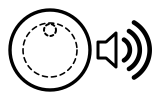
Alarm: the PX-1 has detected smoke. The PX-1 manual lists a temperature alarm, above 60 °C, among the same loud alarm tones.
- What you see
- No light named by the maker
- What you hear
- Full alarm, two beeps then a pause, repeating
Do this first: Pyrexx’s smoke alarm instruction, top of this page
What Pyrexx says to do about this signal
- Follow the fire instructions at the top of this page.
- If there is no fire, Pyrexx lists the usual causes: household dust from carpets and textiles, pollen, building or sanding dust, insects that got past the insect screen, strong cooking or frying fumes, room fragrance or insect sprays, extreme temperature swings, or strong electromagnetic radiation close by. Cigarette smoke only sets it off close up and in high concentration. Stop the alarm, air the room, vacuum the alarm carefully, and tell the neighbours so they do not call the fire brigade by mistake.
Source:
- Pyrexx: Warntafel PX-1 Signale / Signals — PX-1 (signal chart, German and English). www.pyrexx.com Checked 2026-10-13.
- Pyrexx: PX-1 Rauchwarnmelder Gebrauchsanleitung / Smoke Alarm Device User Manual — PX-1 (user manual revision 2024-01, German and English). www.pyrexx.com Checked 2026-10-13.
Alarm stopped with the test/stop button
Hush or silence mode · smoke

Alarm stop: pressing the test/stop button switches the alarm off for 10 minutes, whether or not there is a fire. If there is still a risk of fire after that, the switched-off alarms sound again.
- What you see
- No light named by the maker
- What you hear
- Silent
If it is sounding a full alarm instead: Pyrexx’s emergency instruction, top of this page
What Pyrexx says to do about this signal
- Only stop the alarm once you are sure there is no fire.
Source:
- Pyrexx: PX-1 Rauchwarnmelder Gebrauchsanleitung / Smoke Alarm Device User Manual — PX-1 (user manual revision 2024-01, German and English). www.pyrexx.com Checked 2026-10-13.
- Pyrexx: Warntafel PX-1 Signale / Signals — PX-1 (signal chart, German and English). www.pyrexx.com Checked 2026-10-13.
One short beep every 90 seconds
Low battery · smoke
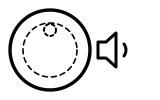
Battery error: the PX-1 has started using its energy reserve. Pyrexx says it can only keep giving a reliable warning for at most 60 more days.
- What you see
- No light named by the maker
- What you hear
- One chirp about every 90 seconds
If it is sounding a full alarm instead: Pyrexx’s emergency instruction, top of this page
What Pyrexx says to do about this signal
- Press the test/stop button to silence the message for 24 hours.
- Have the alarm replaced within those 60 days. The battery cannot be changed, because the PX-1 is a closed unit that must not be opened. In a rented flat where Pyrexx maintains the alarms, its tenant page lists a customer portal and a hotline for a service appointment.
Source:
- Pyrexx: PX-1 Rauchwarnmelder Gebrauchsanleitung / Smoke Alarm Device User Manual — PX-1 (user manual revision 2024-01, German and English). www.pyrexx.com Checked 2026-10-13.
- Pyrexx: Warntafel PX-1 Signale / Signals — PX-1 (signal chart, German and English). www.pyrexx.com Checked 2026-10-13.
- Pyrexx: Support: Mieter (tenants) — PX-1 alarms that Pyrexx maintains for landlords (in German). www.pyrexx.com Checked 2026-10-13.
Two short beeps every 90 seconds
Fault · smoke
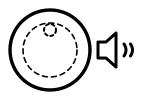
Contamination: the alarm is so dirty that it can no longer readjust its detection electronics. It can give a reliable warning for at most 60 more days.
- What you see
- No light named by the maker
- What you hear
- Two chirps about every 90 seconds
If it is sounding a full alarm instead: Pyrexx’s emergency instruction, top of this page
What Pyrexx says to do about this signal
- Press the test/stop button to silence the message for 24 hours.
- Have the alarm replaced within those 60 days; Pyrexx says replacing it is necessary. In a Pyrexx-maintained rented flat, book the appointment through Pyrexx’s tenant portal or hotline.
Source:
- Pyrexx: PX-1 Rauchwarnmelder Gebrauchsanleitung / Smoke Alarm Device User Manual — PX-1 (user manual revision 2024-01, German and English). www.pyrexx.com Checked 2026-10-13.
- Pyrexx: Warntafel PX-1 Signale / Signals — PX-1 (signal chart, German and English). www.pyrexx.com Checked 2026-10-13.
- Pyrexx: Support: Mieter (tenants) — PX-1 alarms that Pyrexx maintains for landlords (in German). www.pyrexx.com Checked 2026-10-13.
One short tone when the activation button is pushed in
Normal operation · smoke
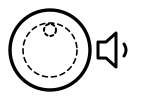
Start-up: the PX-1 has been switched on. You hear it once, when the activation button is pushed in flush.
- What you see
- No light named by the maker
- What you hear
- One chirp, no fixed interval
If it is sounding a full alarm instead: Pyrexx’s emergency instruction, top of this page
What Pyrexx says to do about this signal
- Nothing to do. If the alarm cannot be activated, Pyrexx says to replace it.
Source:
- Pyrexx: PX-1 Rauchwarnmelder Gebrauchsanleitung / Smoke Alarm Device User Manual — PX-1 (user manual revision 2024-01, German and English). www.pyrexx.com Checked 2026-10-13.
Test tone while you hold the test/stop button for 2–3 seconds
Normal operation · smoke
Test passed. If you repeat the test within 10 minutes, some PX-1 variants give only a short double test tone.
- What you see
- No light named by the maker
- What you hear
- One chirp, no fixed interval
If it is sounding a full alarm instead: Pyrexx’s emergency instruction, top of this page
What Pyrexx says to do about this signal
- Test it at least once a year. If no test tone sounds, Pyrexx says the alarm must be replaced.
Source:
- Pyrexx: PX-1 Rauchwarnmelder Gebrauchsanleitung / Smoke Alarm Device User Manual — PX-1 (user manual revision 2024-01, German and English). www.pyrexx.com Checked 2026-10-13.
No light and no sound
Normal operation · smoke
Normal: the PX-1 shows no light and makes no sound in normal operation. It checks itself once a minute and only signals when something is wrong.
- What you see
- No light named by the maker
- What you hear
- Silent
If it is sounding a full alarm instead: Pyrexx’s emergency instruction, top of this page
What Pyrexx says to do about this signal
- Nothing to do, apart from the yearly test, a look at the smoke inlets (not blocked by dust, dirt or paint) and cleaning.
Source:
- Pyrexx: PX-1 Rauchwarnmelder Gebrauchsanleitung / Smoke Alarm Device User Manual — PX-1 (user manual revision 2024-01, German and English). www.pyrexx.com Checked 2026-10-13.
Sources
Every line on this page comes from Pyrexx’s own documents, read on the date shown. Nothing is taken from third-party code sites or other makes.
- Pyrexx: PX-1 Rauchwarnmelder Gebrauchsanleitung / Smoke Alarm Device User Manual — PX-1 (user manual revision 2024-01, German and English). www.pyrexx.com Checked 2026-10-13.
- Pyrexx: Warntafel PX-1 Signale / Signals — PX-1 (signal chart, German and English). www.pyrexx.com Checked 2026-10-13.
- Pyrexx: Support: Mieter (tenants) — PX-1 alarms that Pyrexx maintains for landlords (in German). www.pyrexx.com Checked 2026-10-13.